
 By
By 
In the fast-paced world of business, staying organized and efficient is crucial for success. This is especially true for small businesses, where every customer interaction and lead opportunity matters. That’s where a CRM (Customer Relationship Management) system comes in. A CRM is a powerful tool that helps businesses manage and enhance their relationships with customers, leading to improved customer satisfaction and ultimately, increased sales.
One of the main reasons why every small business needs a CRM is the ability to centralize customer information. Gone are the days of shuffling through papers or searching multiple folders and spreadsheets for customer details. With a CRM, all customer data is stored in one place, making it easy to access and update. This means that any team member can quickly retrieve customer information, view past conversations, and understand the customer’s preferences, enabling more personalized interactions.
Furthermore, a CRM allows businesses to track their interactions with customers, ensuring no lead or opportunity slips through the cracks. Every email, phone call, or meeting can be logged into the system, providing a clear history of communication. This not only helps small businesses stay organized but also enables them to follow up with prospects or existing customers at the right time. By having a CRM in place, small business owners can ensure that no potential sale is forgotten or delayed, thus maximizing their chances of converting prospects into loyal customers.
Another significant advantage of utilizing a CRM for small businesses is the ability to streamline task management. Without a CRM, it can be challenging to delegate and track tasks efficiently, leading to confusion and incomplete assignments. However, with a CRM, tasks can be assigned, monitored, and updated within the system. This ensures that everyone on the team knows their responsibilities, deadlines, and progress, promoting collaboration and reducing miscommunication. By having an organized task management system, small businesses can enhance productivity and achieve their goals more effectively.
Moreover, a CRM can provide valuable insights into customers’ behaviors and preferences. By analyzing data from customer interactions and purchase history, businesses can gain a better understanding of their customers’ needs and tailor their offerings accordingly. This data-driven approach allows small businesses to create targeted marketing campaigns, recommend personalized options, and improve overall customer satisfaction. By using a CRM, small businesses can stay ahead of their competition by being more in tune with what their customers want.
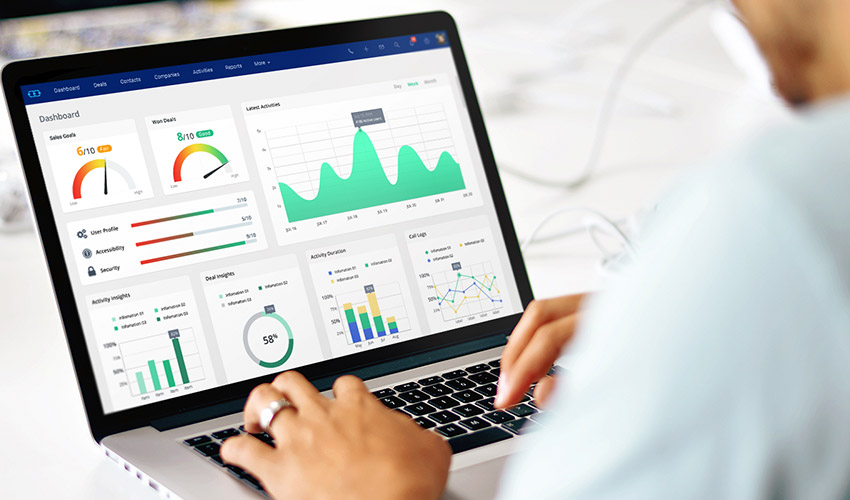
Lastly, implementing a CRM system is not only beneficial for managing customer relationships but also for internal operations. Many CRM platforms offer additional features like sales forecasting, reporting, and analytics, giving small business owners a comprehensive overview of their business performance. This data helps in making informed decisions and identifying areas that need improvement. By having the right tools and insights, small businesses can optimize processes, allocate resources effectively, and drive growth.
In conclusion, a CRM system is an absolute must-have for every small business. It provides a centralized hub for customer information, enables efficient task management, offers valuable insights, and enhances internal operations. By utilizing a CRM, small businesses can strengthen their relationships with customers, boost sales, and ultimately, thrive in the competitive business landscape. So, if you’re a small business owner, don’t miss out on the enormous benefits a CRM can offer – get started today and take your business to new heights!